Understanding EMV Chip
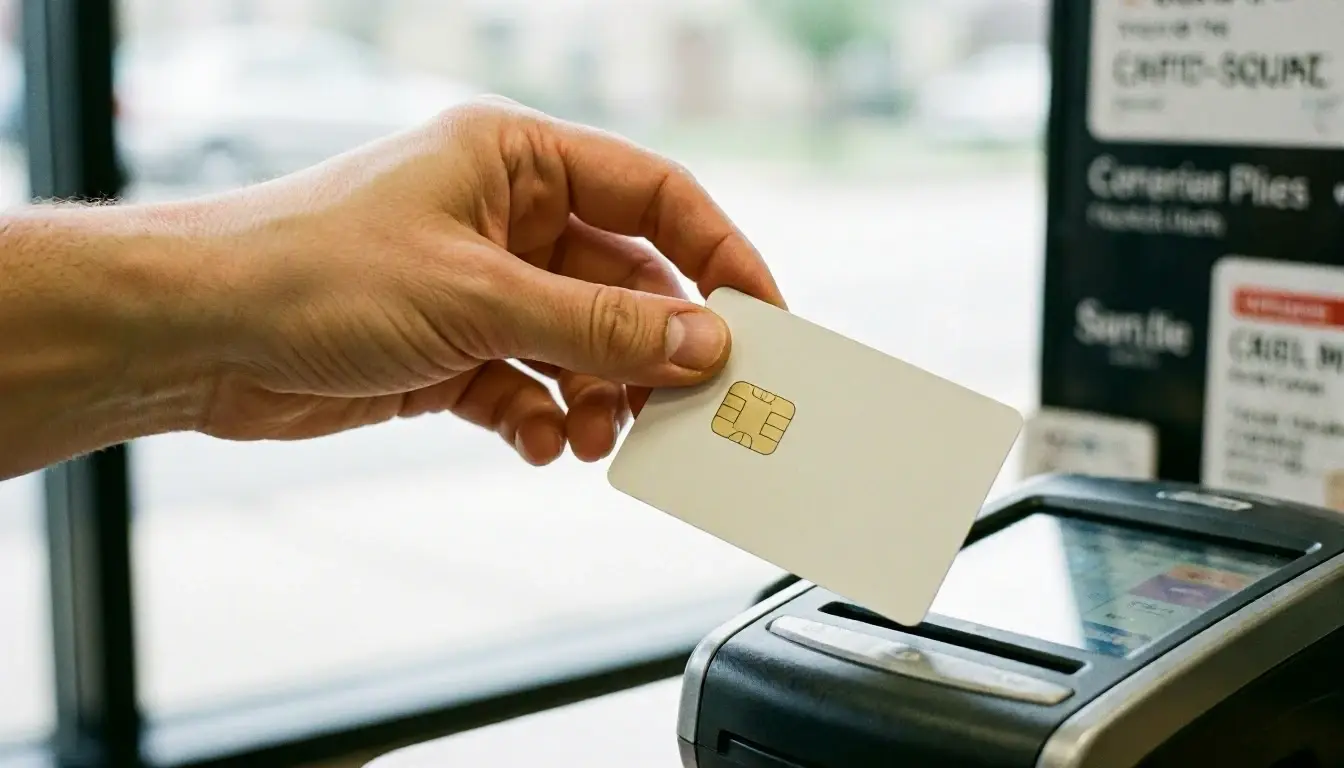
EMV Chip refers to the microprocessor technology embedded in modern payment cards that enhances security during transactions. Unlike magnetic stripes, which store static card data, EMV Chips generate a unique, single-use code for each transaction. This dynamic authentication process makes it nearly impossible for fraudsters to reuse stolen card information for future purchases. The EMV standard was developed collaboratively by Europay, Mastercard. And Visa in the 1990s and has since become the global benchmark for secure card-present transactions.
Related glossary terms: Fraud Prevention, Near Field Communication, Payment Card Industry Data Security Standard.
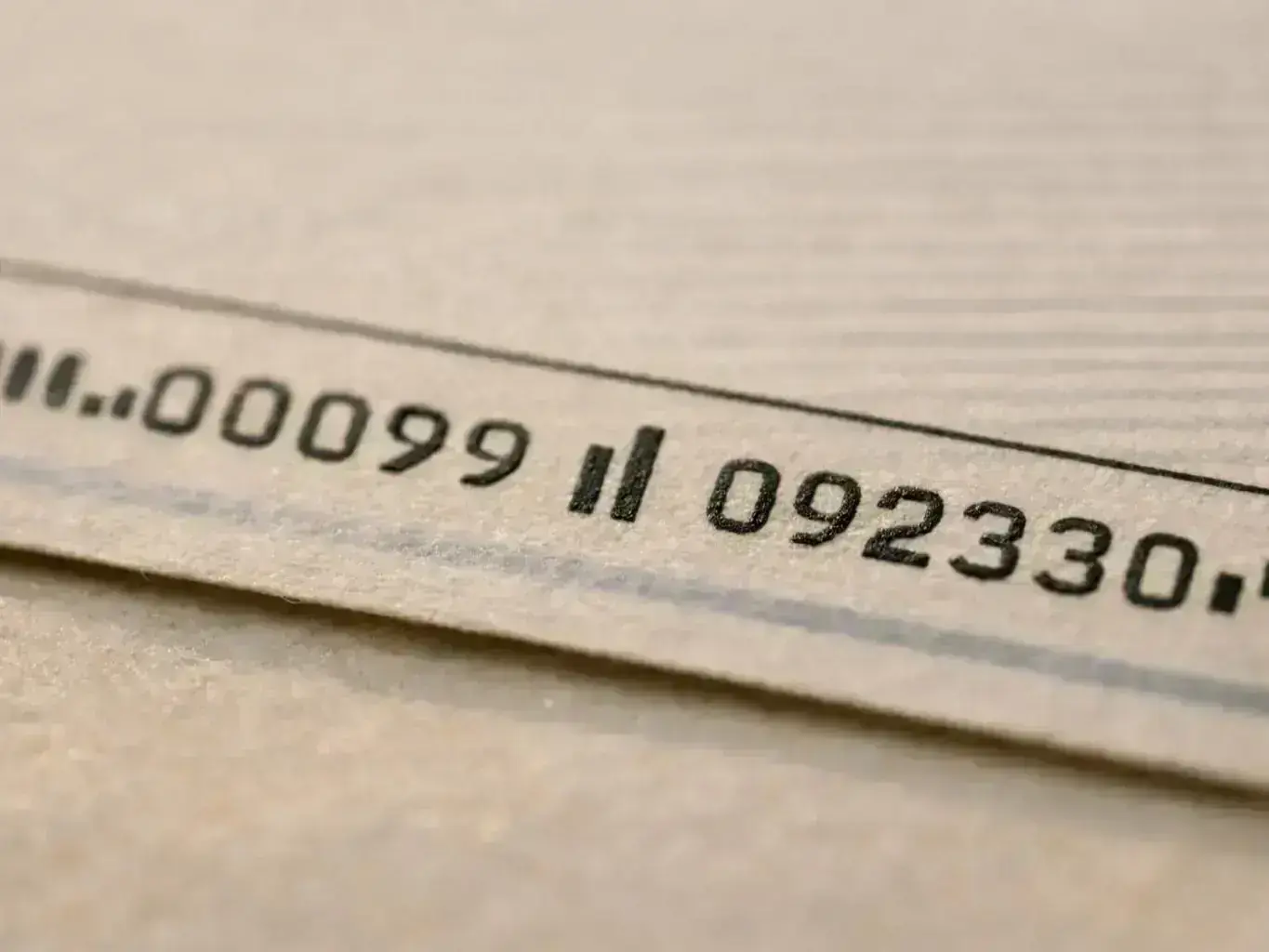
The transition to EMV Chip technology represents a significant shift in payment security. Magnetic stripes, introduced in the 1960s, were vulnerable to skimming and cloning because they contained unchanging cardholder data. EMV Chips address this weakness by creating a new transaction code every time the card is used, ensuring that even if data is intercepted, it can't be reused. This advancement has led to a measurable decline in counterfeit card fraud in regions where EMV adoption is widespread.
How EMV Chip Works?
When an EMV Chip card is inserted into a terminal, the chip and the payment processor engage in a secure communication process called "chip-and-PIN" or "chip-and-signature." The terminal reads the chip and sends transaction details to the issuing bank, which verifies the cardholder's identity and approves the purchase. During this exchange, the chip generates a unique cryptogram—a dynamic code—that validates the transaction. This cryptogram is specific to that single purchase and cannot be replicated or reused.
The EMV Chip workflow involves several key steps. First, the cardholder inserts the chip into the terminal, initiating the transaction. The terminal requests transaction details, such as the purchase amount. And the chip responds with a dynamic code. The issuing bank verifies this code and either approves or declines the transaction. If approved, the terminal completes the purchase. And the chip generates a new code for the next transaction. This process typically takes just a few seconds. Though it may feel longer than swiping a magnetic stripe.
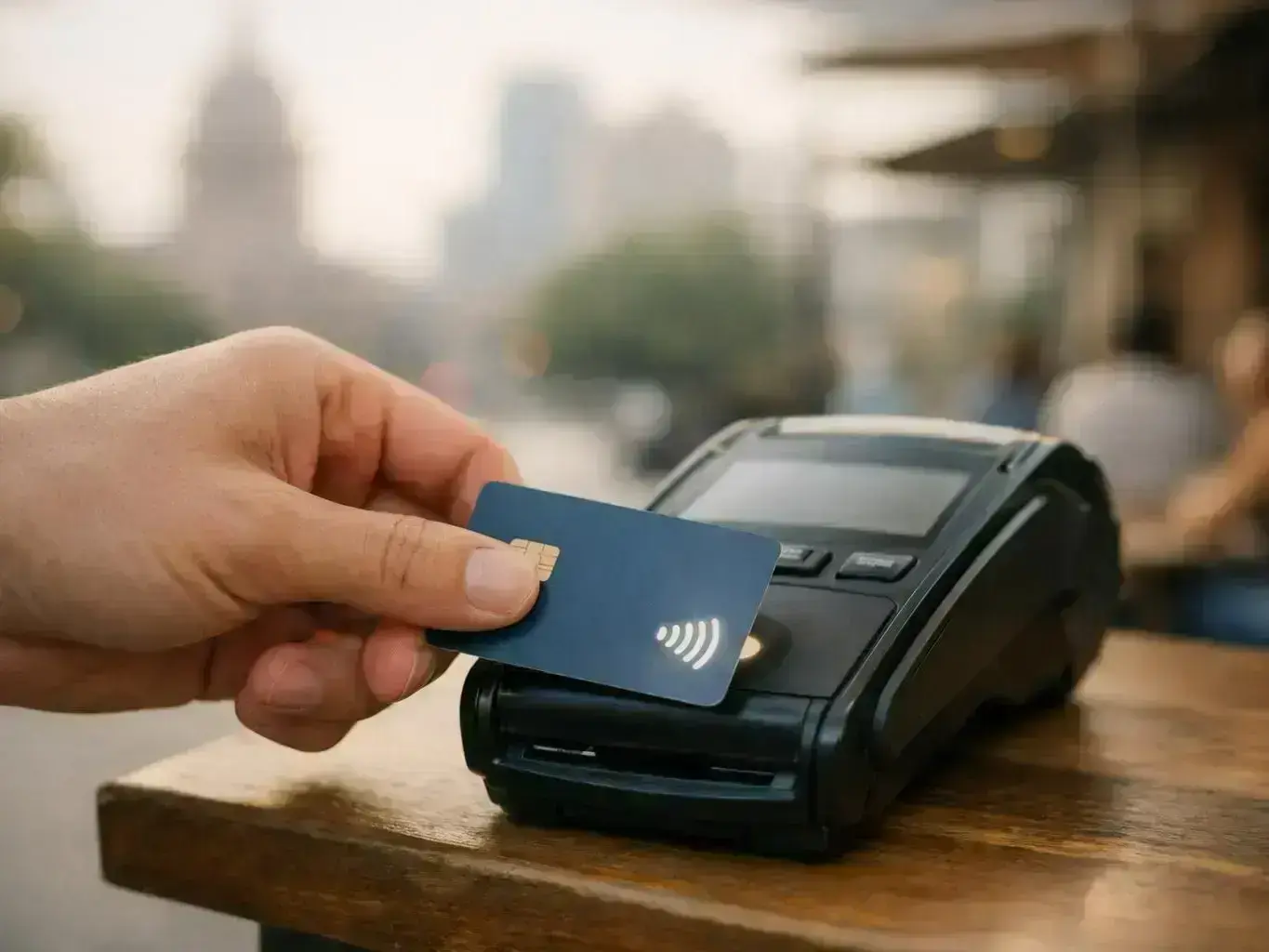
EMV Chips support multiple verification methods, including PIN entry, signature. Or no verification for low-value transactions. In the U.S., many merchants use chip-and-signature, where the cardholder signs a receipt to authorize the purchase. But chip-and-PIN, which requires a personal identification number, is more common in other countries and offers stronger security. Some EMV Chips also support contactless transactions, where the chip communicates with the terminal via near-field communication (NFC) without physical contact.
Why EMV Chip Matters?

EMV Chip technology plays a critical role in reducing fraud and protecting both merchants and consumers. Before EMV adoption, counterfeit card fraud was a growing problem, costing businesses billions of dollars annually. By generating unique transaction codes, EMV Chips make it nearly impossible for fraudsters to create counterfeit cards from stolen data. This shift has led to a significant decline in fraudulent transactions at the point of sale, benefiting merchants, card issuers. And consumers alike.
A common issue is The introduction of EMV Chips also prompted a liability shift in the U.S. In 2015. Before this change, card issuers were typically responsible for fraudulent transactions. After the liability shift, merchants who did not upgrade to EMV-compatible terminals became liable for fraud losses if a counterfeit card was used in their stores. This change incentivized businesses to adopt EMV technology, accelerating the decline of magnetic stripe transactions and improving overall payment security.
When EMV Chip Matters Most?
EMV Chip technology is most important in situations where card-present transactions occur, particularly in retail stores, restaurants. And other physical locations. Merchants who accept in-person payments must ensure their terminals are EMV-compatible to avoid liability for fraudulent transactions. For businesses in high-risk industries, such as electronics or luxury goods, EMV adoption is especially critical, as these sectors are frequent targets for fraudsters.
EMV Chips also matter during travel, as many countries outside the U.S. Have fully transitioned to chip-and-PIN or chip-and-signature systems. Magnetic stripe cards may not work in some international terminals, making EMV Chip cards essential for smooth transactions abroad. And EMV Chips are increasingly important for contactless payments, which are growing in popularity due to their speed and convenience. Businesses that support contactless payments must ensure their terminals are EMV-compliant to accept these transactions securely.