Understanding Credit Card Skimming
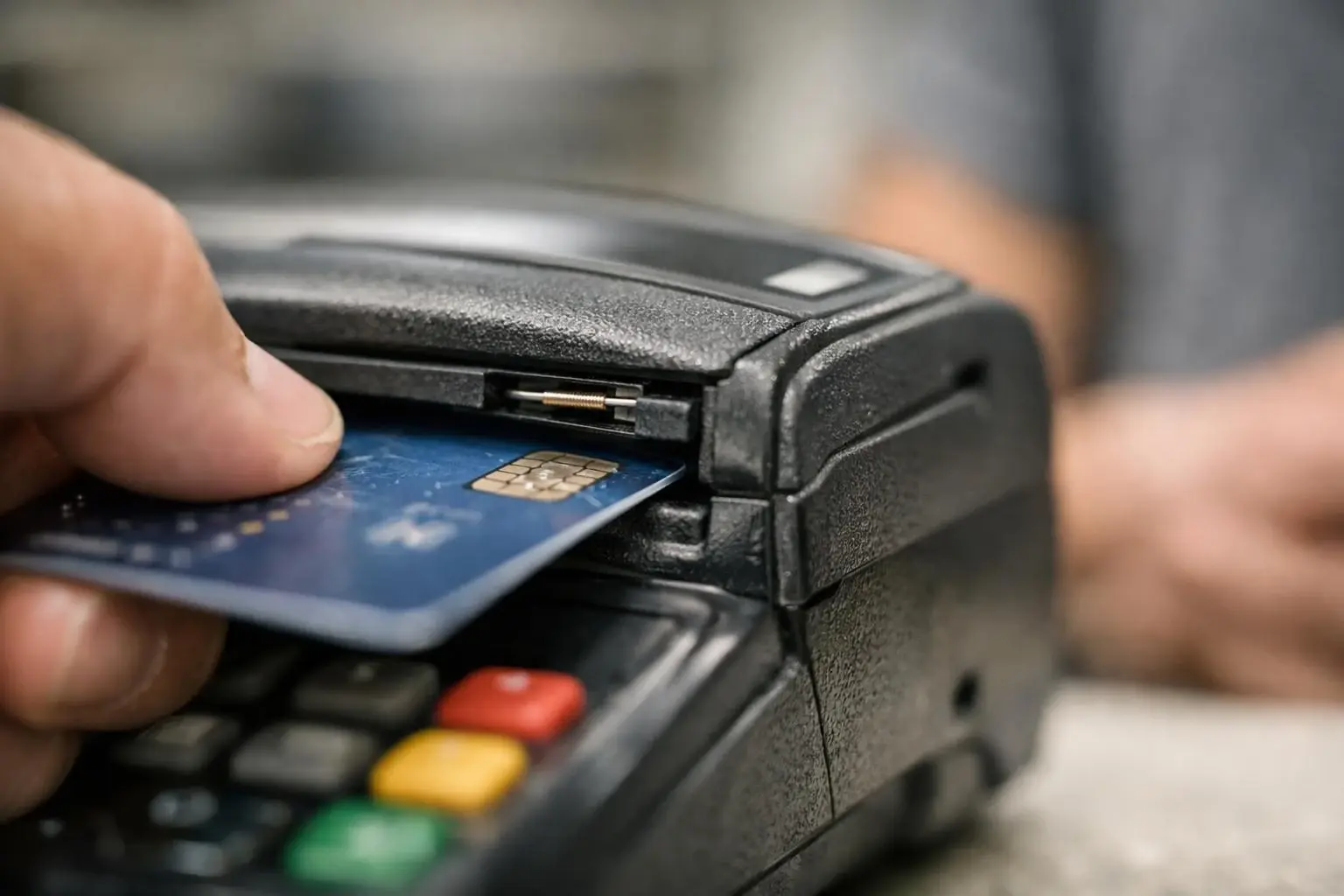
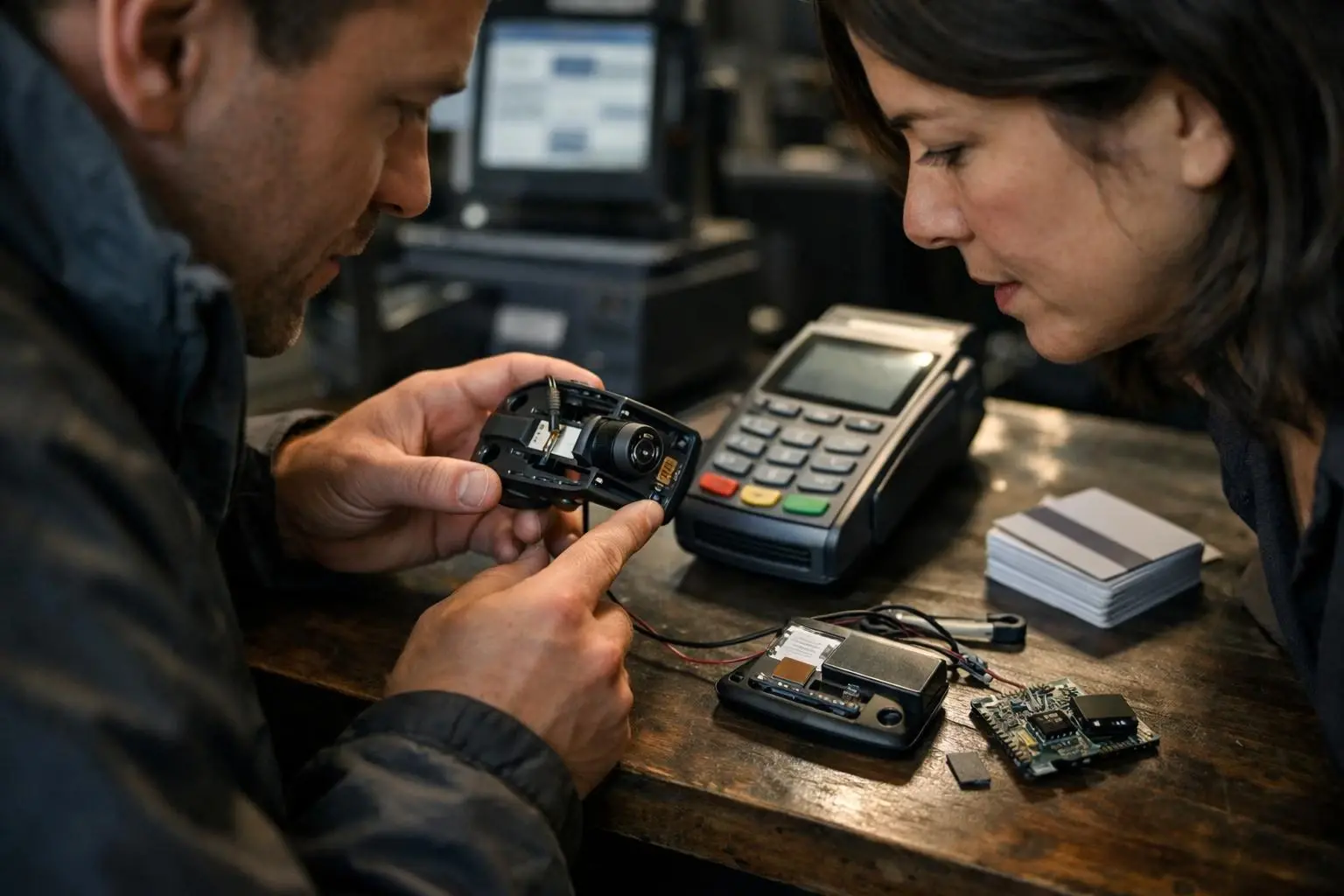
Credit Card Skimming is a form of payment fraud that occurs when criminals install hidden devices on payment terminals, ATMs. Or other card-reading machines to steal card information. These devices, known as skimmers, are designed to blend in with the legitimate equipment, making them difficult for cardholders to detect. Skimmers capture data from the magnetic stripe or chip on a card, which can include the card number, expiration date. And cardholder name. Some skimmers are even equipped with tiny cameras or keypad overlays to record PIN entries, giving criminals full access to the victim’s account.
Skimming is particularly dangerous because it exploits the physical interaction between a card and a payment terminal. Unlike data breaches, which involve hacking into a company’s database, skimming targets individual transactions in real time. This means that even a single swipe or insertion of a card at a compromised terminal can result in stolen data. The stolen information is often sold on the dark web or used to create counterfeit cards, which can then be used for fraudulent purchases or cash withdrawals. Because the original card remains in the victim’s possession, they may not realize their information has been compromised until they review their statements or receive fraud alerts.
How Credit Card Skimming Works?
Skimming typically involves two main components: a skimming device and a method to collect the stolen data. The skimming device is installed over or inside the card reader of a legitimate terminal, such as an ATM, gas pump. Or point-of-sale system. When a card is swiped or inserted, the skimmer reads and stores the card’s data. Some skimmers are sophisticated enough to transmit the stolen data wirelessly to criminals. While others require physical retrieval of the device. In cases where PINs are also targeted, criminals may install tiny cameras or fake keypads over the terminal’s actual keypad to capture the victim’s entry.
Once the data is collected, criminals use it to create counterfeit cards or make online purchases where physical card verification isn’t required. Counterfeit cards are often produced using blank cards with magnetic stripes, which are then encoded with the stolen data. These cards can be used at ATMs to withdraw cash or at retail locations to make purchases. In some cases, criminals may also use the stolen data to make online transactions, particularly if they’ve managed to capture additional security details like the card’s CVV code. The entire process can take just seconds, leaving victims unaware until fraudulent activity appears on their accounts.
- Skimming devices are often placed on unattended terminals like ATMs or gas pumps.
- Some skimmers include cameras or keypad overlays to steal PINs.
- Stolen data is used to create counterfeit cards or make unauthorized online purchases.
- Wireless skimmers can transmit data in real time, reducing the need for physical retrieval.
Why Credit Card Skimming Matters?
Credit Card Skimming poses significant risks to both consumers and businesses. For consumers, skimming can lead to financial losses, damaged credit scores. And the hassle of disputing fraudulent charges. Even if banks or card issuers reimburse victims for unauthorized transactions, the process of securing accounts, replacing cards. And monitoring for further fraud can be time-consuming and stressful. For businesses, skimming can result in reputational damage, lost customer trust. And potential liability for fraudulent transactions. If customers associate a business with skimming incidents, they may take their business elsewhere, leading to lost revenue and a tarnished brand image.
Beyond financial and reputational risks, skimming also undermines confidence in payment systems. When consumers fear that their card information may be stolen at any terminal, they may hesitate to use cashless payment methods, which can slow down transactions and reduce sales for businesses. And skimming contributes to the broader problem of payment fraud, which costs the global economy billions of dollars annually. As criminals develop more sophisticated skimming techniques, businesses and consumers must stay vigilant and adopt measures to reduce their risk of becoming victims.
When Credit Card Skimming Matters Most?
Credit Card Skimming is a year-round threat. But certain situations increase the risk of encountering a skimming device. Unattended payment terminals, such as those at gas pumps, ATMs. Or self-checkout kiosks, are prime targets for criminals because they offer less oversight and easier access for installing skimmers. Travelers, in particular, should be cautious when using ATMs or payment terminals in unfamiliar locations, as criminals often target high-traffic areas like airports, tourist destinations. Or busy shopping districts. And skimming incidents tend to spike during peak shopping seasons, such as the holidays, when criminals take advantage of increased transaction volumes to avoid detection.
Businesses that accept card payments should also be aware of skimming risks, particularly if they use unattended terminals or older payment systems. Restaurants, gas stations. And convenience stores are common targets because they often process a high volume of transactions quickly, giving criminals more opportunities to steal data. Even businesses with EMV-compliant terminals are not immune, as criminals may still target magnetic stripe transactions or use more advanced skimming techniques. Regular inspections of payment terminals, employee training on skimming detection. And the use of tamper-evident seals can help businesses reduce their risk of becoming a skimming target.
- Unattended terminals like ATMs and gas pumps are high-risk targets for skimming.
- Travelers and shoppers in unfamiliar locations should be extra cautious.
- Businesses with high transaction volumes, like gas stations or restaurants, are frequent targets.
- Skimming incidents often increase during peak shopping seasons like the holidays.
- EMV chip cards reduce skimming risks but don’t eliminate them entirely.