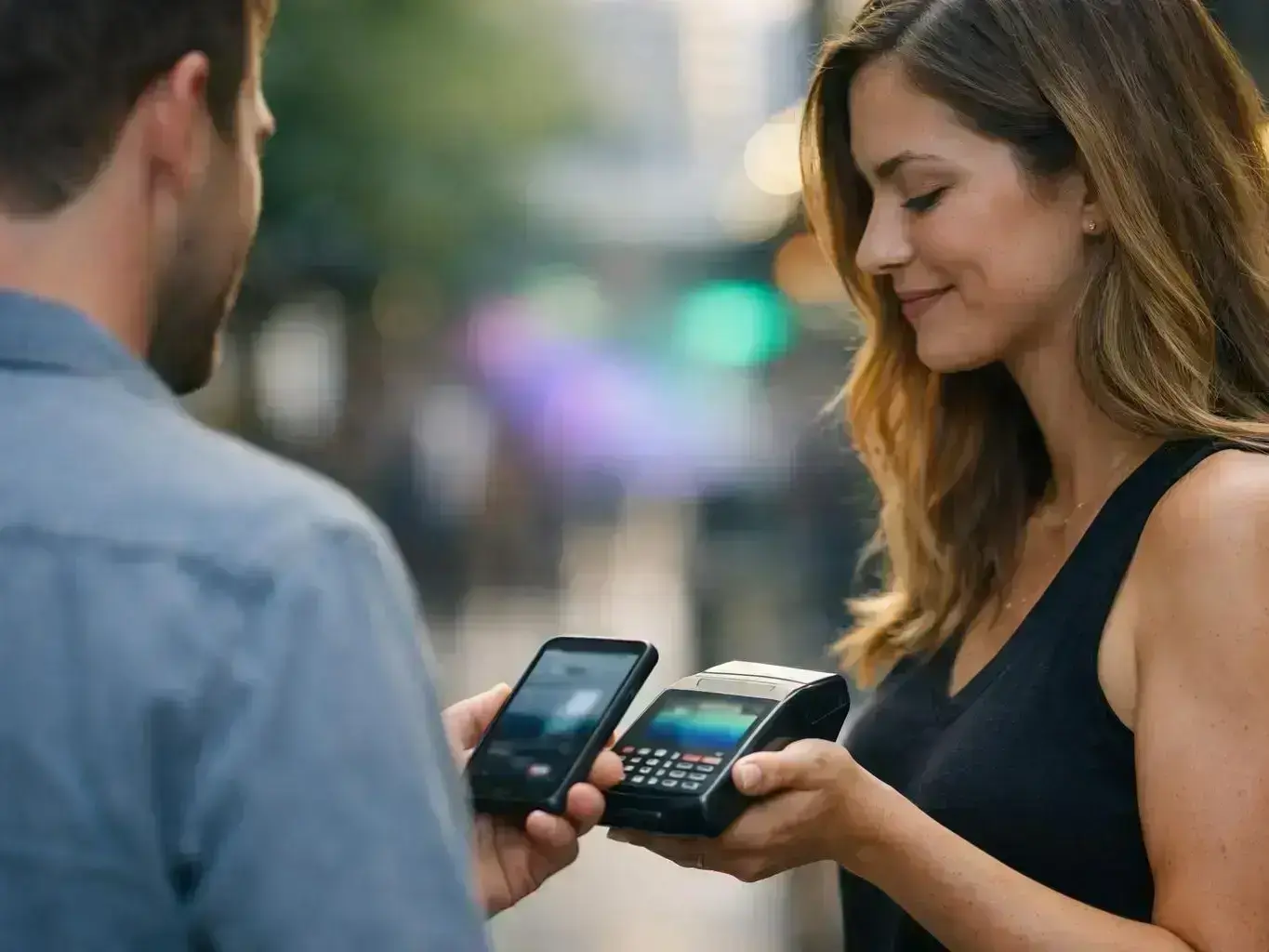
Understanding Near Field Communication
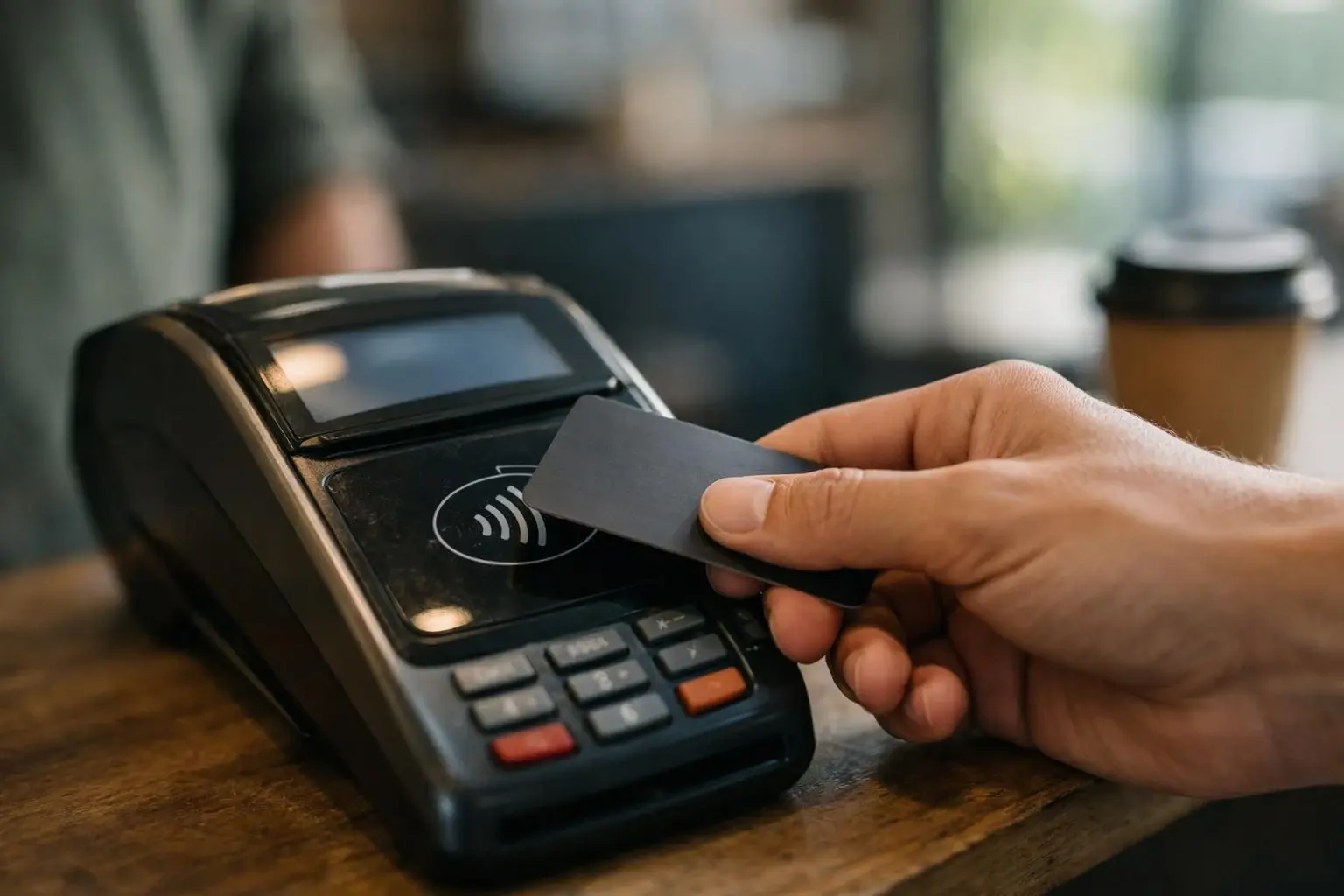
Near Field Communication, commonly abbreviated as NFC, is a set of communication protocols that allow two electronic devices to exchange data when placed within a few centimeters of each other. Unlike Bluetooth or Wi-Fi, NFC doesn't require manual pairing or complex setup. This simplicity makes it ideal for quick, secure interactions such as contactless payments, where speed and convenience are essential.
NFC technology is built on radio-frequency identification (RFID) standards but operates at a higher frequency (13.56 MHz). This frequency allows for faster data transfer rates and improved security compared to older RFID systems. NFC devices can operate in three modes: reader/writer, peer-to-peer. And card emulation. Each mode serves a distinct purpose, from reading NFC tags to facilitating two-way communication between devices.
How Near Field Communication Works?
Near Field Communication relies on electromagnetic induction between two loop antennas located within close proximity. When an NFC-enabled device, such as a smartphone, is held near an NFC reader, the reader generates a radio frequency field that powers the device’s NFC chip. This field enables the device to transmit data, such as payment credentials or identification tokens, back to the reader without requiring a battery or active power source in passive NFC tags.
The short range of NFC is a deliberate security feature. By limiting the communication distance to approximately 4 centimeters, NFC reduces the risk of eavesdropping or interception by unauthorized devices. This makes it particularly suitable for financial transactions, where security is critical. And NFC supports encryption and tokenization, further protecting sensitive data during transmission.
In payment processing, NFC is commonly used in credit and debit cards equipped with EMV chips, as well as in mobile wallets like Apple Pay, Google Pay. And Samsung Pay. When a user taps their card or phone near an NFC-enabled terminal, the terminal reads the encrypted payment data and processes the transaction within seconds. This process eliminates the need for physical contact, reducing wear and tear on cards and improving transaction speed.
Why Near Field Communication Matters?
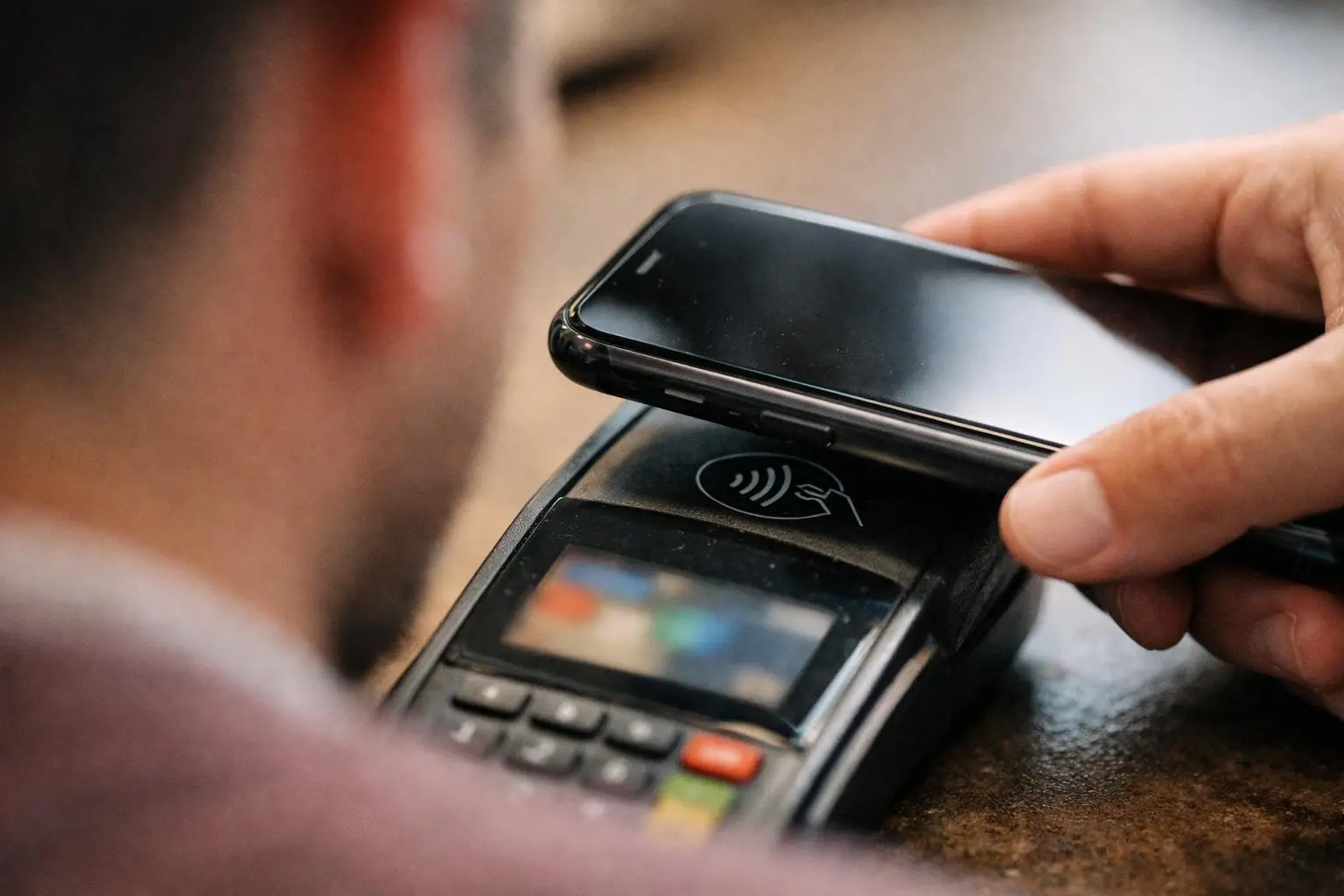
Near Field Communication has transformed the way consumers and businesses handle transactions by offering a faster, more convenient alternative to traditional payment methods. For merchants, NFC-enabled terminals reduce checkout times, improving customer satisfaction and operational efficiency. For consumers, NFC provides a smooth payment experience, eliminating the need to carry multiple cards or cash.
Beyond payments, NFC is used in a variety of applications, including public transportation, access control. And smart advertising. For example, many transit systems use NFC-enabled cards or mobile apps for fare payment, allowing riders to tap and go without fumbling for tickets or cash. Similarly, businesses use NFC tags to provide instant access to digital content, such as product information or promotional offers, simply by tapping a smartphone to a tag.
When Near Field Communication Matters Most?
Near Field Communication becomes particularly important in environments where speed, convenience. And security are prioritized. Retail stores, restaurants. And public transit systems benefit from NFC-enabled payment terminals, as they simplify transactions and reduce wait times. For businesses processing high volumes of small-ticket transactions, such as coffee shops or convenience stores, NFC can significantly improve throughput and customer experience.
NFC also plays a critical role in fraud prevention. Because NFC transactions require close proximity and often involve encrypted data, they're less susceptible to skimming attacks compared to magnetic stripe cards. But businesses must still ensure their NFC-enabled terminals comply with Payment Card Industry Data Security Standard (PCI DSS) requirements to maintain security and avoid potential liabilities.
In Arlington, TX, where businesses range from small local shops to large retail chains, adopting NFC technology can help merchants stay competitive by offering modern, secure payment options that align with consumer expectations. As contactless payments continue to grow in popularity, NFC-enabled terminals are becoming a standard feature for businesses looking to meet customer demand and improve operational efficiency.