Glossary

What is Card Present?

Card Present is a transaction type in which the payment card is physically presented and read by a terminal at the point of sale. Card Present transactions occur in face-to-face settings such as retail stores, restaurants. Or service locations where the cardholder swipes, inserts. Or taps their card using EMV chip, magnetic stripe. Or contactless technology.

Sources reviewed: Visa Core Rules and Visa Product and Service Rules, Mastercard Rules

Quick Facts About Card Present

Category

Payment transaction type

Used for

In-person sales at physical locations

Common confusion

Often mistaken for online or phone transactions (Card Not Present)

Also called

CP, Face-to-Face Transaction

Often discussed with

Credit Card Payment Processing, Point of Sale System

Key Takeaways About Card Present

Understanding Card Present
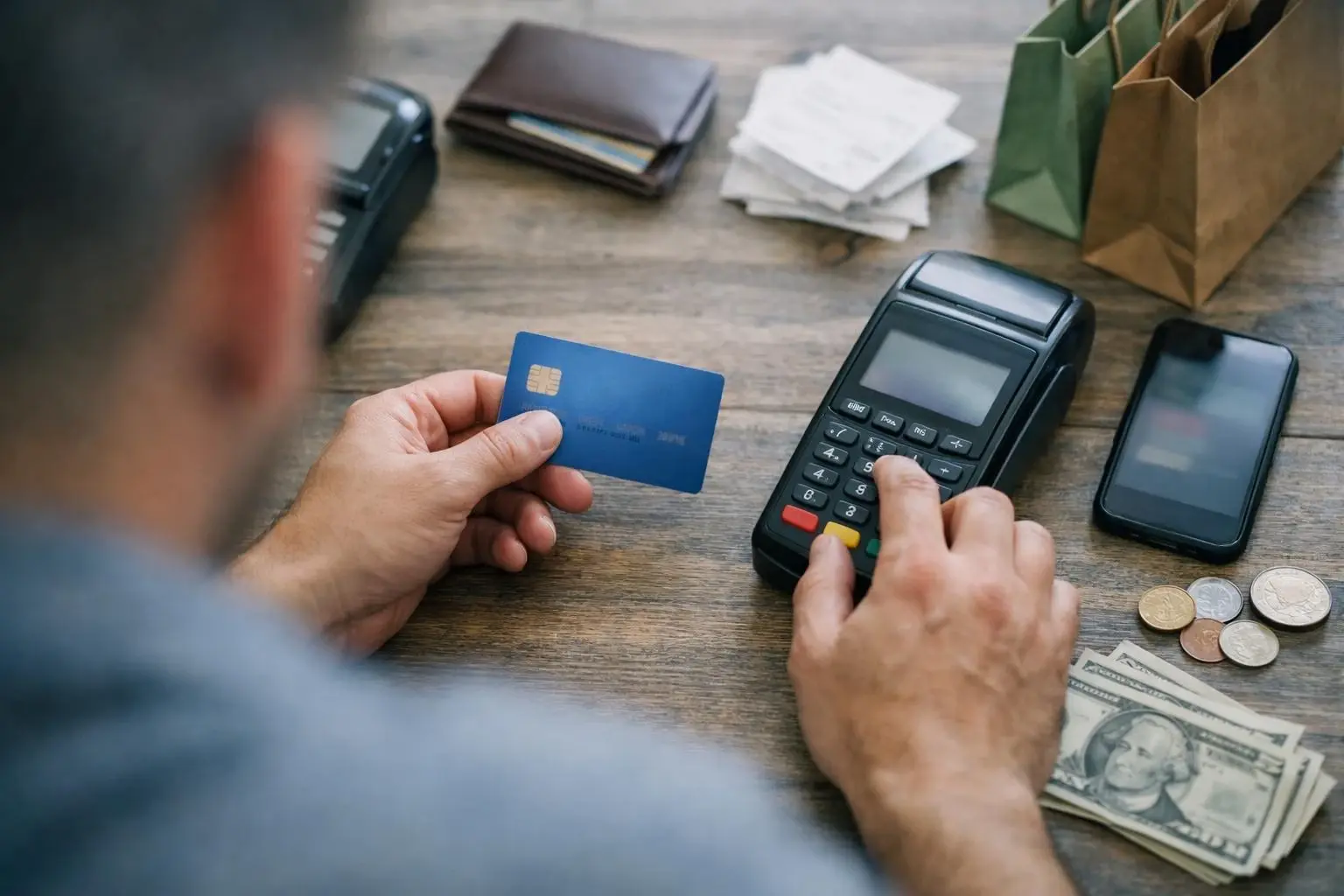
Card Present in Credit Card Processing: Card Present is a transaction type in which the payment card is—visual guide

Card Present refers to a payment scenario where the cardholder and their physical payment card are both present at the time of the transaction. This method is standard in brick-and-mortar businesses, where customers interact directly with a payment terminal. The terminal reads the card’s data—whether through a magnetic stripe, EMV chip. Or contactless NFC signal—to authorize and complete the purchase. Because the card is physically available for inspection, merchants can verify its authenticity, reducing the likelihood of fraudulent activity.

Related glossary terms: Card Not Present, EMV Chip, Near Field Communication.

Card Present transactions are a cornerstone of in-person commerce, enabling quick and secure payments. Unlike online or phone transactions, where the card is not physically present, this method allows merchants to confirm the cardholder’s identity through visual checks, signatures. Or PIN entry. This added layer of verification contributes to lower fraud rates and lower interchange fees, which are the fees paid by merchants to card networks like Visa or Mastercard. The distinction between Card Present and Card Not Present transactions is fundamental in payment processing, as it influences security protocols, fee structures. And risk management strategies.

How Card Present Transactions Work?

When a customer initiates a Card Present transaction, the payment terminal reads the card’s data and sends it to the merchant’s payment processor. The processor forwards the information to the card network (e.g., Visa, Mastercard) and then to the issuing bank, which either approves or declines the transaction based on available funds and fraud detection checks. This entire process typically takes just a few seconds, making it ideal for high-volume environments like retail stores or restaurants.

The type of card reader used can vary. Magnetic stripe readers, once the industry standard, are less secure due to the ease of skimming card data. EMV chip readers, now widely adopted, encrypt transaction data and require the card to be inserted into the terminal, reducing fraud risk. Contactless payments, using Near Field Communication (NFC), allow customers to tap their card or mobile wallet (e.g., Apple Pay, Google Pay) near the terminal for a quick, secure transaction. Each method transmits the card’s data securely. But EMV and contactless options provide stronger fraud protection than magnetic stripes.

Why Card Present Matters?
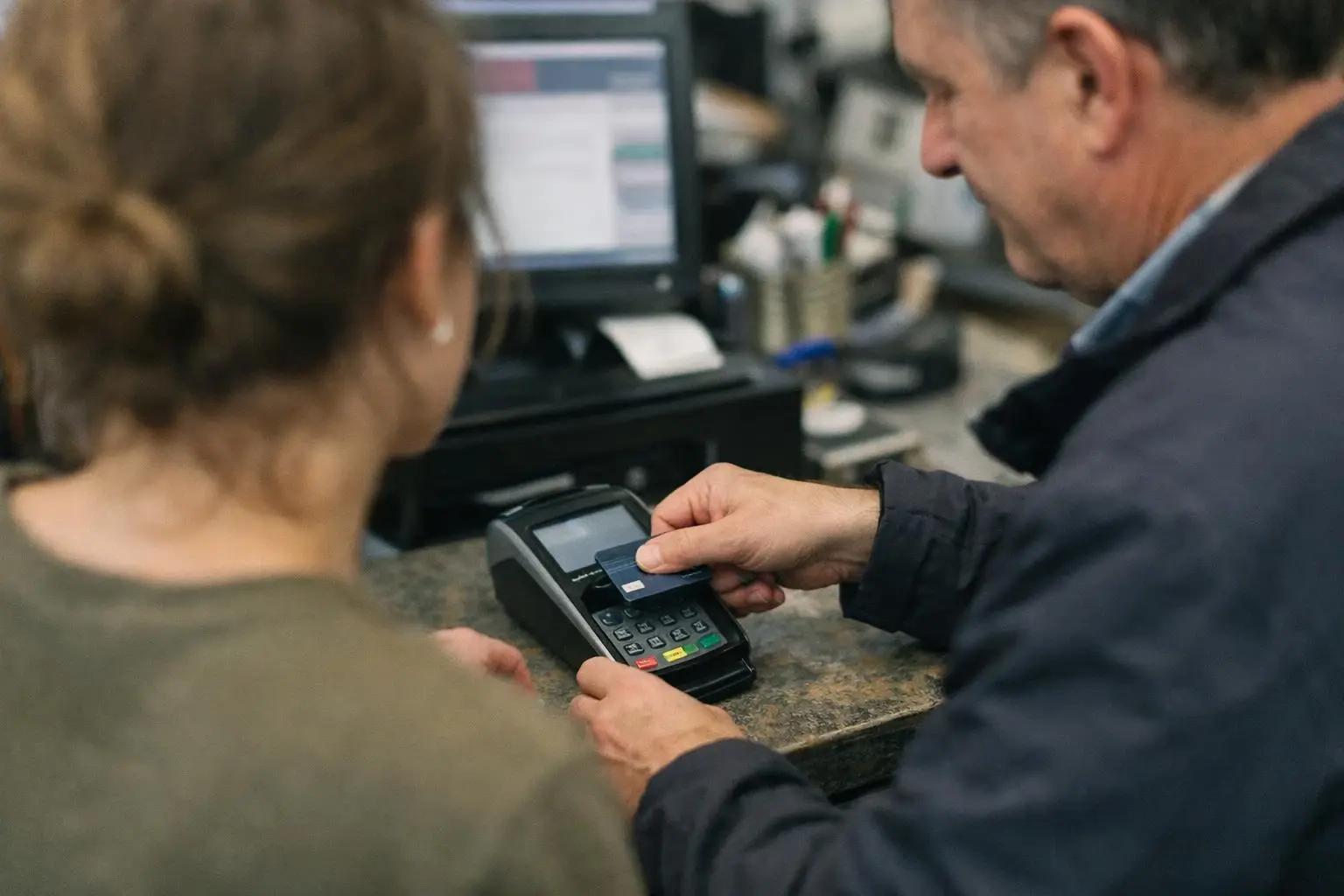
How Card Present applies to Credit Card Processing services in Arlington, United States—practical illustration

Card Present transactions are critical for businesses that operate in physical locations, as they offer lower processing fees compared to Card Not Present transactions. This cost advantage stems from the reduced fraud risk associated with in-person payments. Card networks and issuing banks view Card Present transactions as less risky because the cardholder’s presence allows for direct verification, such as matching a signature or entering a PIN. Lower risk translates to lower interchange fees, which can significantly impact a merchant’s bottom line, especially for businesses with high transaction volumes.

For local customers, Beyond cost savings, Card Present transactions boost customer trust and satisfaction. Customers expect quick, secure. And smooth payment experiences when shopping in person. The ability to accept multiple payment methods—including EMV chips, magnetic stripes. And contactless payments - ensures that businesses can accommodate a wide range of customers. And Card Present transactions reduce the likelihood of chargebacks, which occur when customers dispute a transaction. Since the cardholder is physically present, disputes over unauthorized transactions are less common, saving merchants time and money.

When Card Present Matters Most?

Card Present transactions are most important for businesses with physical storefronts, such as retail stores, restaurants, salons. And medical offices. These businesses rely on in-person payments to serve customers efficiently and securely. For example, a retail store processing hundreds of transactions daily benefits from the lower fees and reduced fraud risk associated with Card Present transactions. Similarly, a restaurant using tableside payment terminals can simplify the checkout process, improving customer satisfaction and table turnover rates.

Card Present transactions also matter in industries where compliance and security are critical. For instance, businesses handling high-value transactions, such as jewelry stores or electronics retailers, must prioritize secure payment methods to protect against fraud. And merchants in regulated industries, such as healthcare or alcohol sales, may be required to verify the cardholder’s identity in person, making Card Present transactions a necessity. Finally, businesses in areas with high foot traffic, like Arlington, TX, rely on Card Present transactions to process payments quickly and efficiently, ensuring a smooth customer experience.


How to Evaluate Card Present?

Related Concepts Compared

Card Present vs. Card Not Present

Card Not Present transactions occur when the cardholder is not physically present, such as online or phone purchases. And typically carry higher fraud risk and fees.

Card Present vs. EMV Chip

EMV Chip is a technology used in Card Present transactions to encrypt card data and reduce fraud. While Card Present refers to the broader transaction type involving physical card use.

Card Present vs. Contactless Payment

Contactless Payment is a method of Card Present transactions where customers tap their card or mobile device near a terminal, offering speed and convenience.

Expert Note

Card Present transactions are not immune to fraud, especially with magnetic stripe cards. Merchants should prioritize EMV chip and contactless payments to minimize risk and ensure compliance with card network mandates.

Common Mistakes or Myths About Card Present

  • Assuming all in-person transactions qualify as Card Present—some may still be misclassified as Card Not Present if the card is not physically read.
  • Using outdated magnetic stripe readers instead of EMV chip terminals, increasing fraud risk and potential liability for chargebacks.
  • Ignoring PCI compliance requirements for in-person transactions, which can lead to security vulnerabilities and fines.
  • Confusing Card Present transactions with online payments, which require different security measures and incur higher fees.

Card Present in Practice: A Real-World Example

A customer visits a retail clothing store in Arlington, TX, selects items totaling 0. And proceeds to checkout. The cashier swipes the customer’s credit card through an EMV-enabled terminal, prompting the customer to insert the card’s chip and enter a PIN. The terminal processes the payment in seconds, prints a receipt. And the transaction is complete—this is a Card Present transaction.

Related Services

Related Terms

Card Not Present

Card Not Present refers to any credit or debit card transaction where the physical card is not presented to the merchant at the point of sale. These transactions occur primarily online, over the phone, via mail order. Or through recurring billing, requiring alternative methods for verifying the cardholder’s identity and authorizing the payment.

EMV Chip

EMV Chip is a small microprocessor embedded in payment cards that generates a unique transaction code for each purchase, replacing the static magnetic stripe data. EMV stands for Europay, Mastercard. And Visa, the three companies that developed the global standard to enhance security and reduce fraud in card-present transactions.

Near Field Communication

Near Field Communication is a short-range wireless communication technology that enables secure data exchange between devices over distances of approximately 4 centimeters or less. Near Field Communication operates on high-frequency radio waves, allowing contactless interactions such as mobile payments, access control.

Payment Card Industry Data Security Standard

Payment Card Industry Data Security Standard is a global information security framework created by major card brands (Visa, Mastercard, American Express, Discover. And JCB) to protect cardholder data from theft and fraud. It establishes 12 mandatory requirements covering network security, data encryption, access controls. And regular vulnerability assessments that merchants, processors.

Fraud Prevention

Fraud Prevention is a set of strategies, technologies. And practices designed to detect, deter. And mitigate unauthorized or deceptive transactions in payment processing. It encompasses tools like encryption, tokenization, real-time monitoring. And authentication protocols to protect merchants, financial institutions. And consumers from financial losses, identity theft.

CreditCardProcessingArlington.com

Have Questions About Card Present?

Contact CreditCardProcessingArlington.com for practical guidance on Card Present and related credit card processing work in Arlington.

Contact Us