Understanding Issuing Bank

An Issuing Bank is also called a card issuer. It’s a bank or financial institution. It partners with card networks like Visa, Mastercard. Or American Express. Together, they provide credit, debit. Or prepaid cards to consumers.
Related glossary terms: Acquirer, Cardholder, Chargeback.
These banks approve card applications and set credit limits. They issue physical or virtual cards. They also manage the cardholder’s account. The Issuing Bank acts as the go-between for the cardholder and the card network. It ensures transactions are authorized based on available funds or credit.
For cardholders, the Issuing Bank is the main point of contact. It handles billing disputes, fraud claims. And statement questions. When you make a purchase, the bank gets the transaction request from the merchant’s payment processor. It then decides to approve or decline it. Factors like available credit or fraud risks influence the decision.
If approved, the Issuing Bank releases the funds to the Acquirer. The Acquirer then settles the payment with the merchant.
How Issuing Bank Works?
The Issuing Bank’s role starts when a consumer applies for a card. The bank reviews creditworthiness, income. And other financial details. If approved, it issues the card. Once active, the bank monitors transactions in real time.
It looks for unusual activity, like large purchases or foreign transactions. These may trigger fraud alerts or temporary holds. During a transaction, the bank gets an authorization request from the merchant’s processor. It checks for enough funds or credit. It also verifies the transaction against fraud detection systems.
The bank then responds with an approval or decline code. If approved, it places a hold on the funds or credit limit. This ensures the amount is reserved for settlement. At day’s end, the bank transfers the approved funds to the Acquirer. The Acquirer deposits the money into the merchant’s account.
Issuing Banks also handle chargebacks. These happen when a cardholder disputes a transaction. The bank investigates the claim. It determines if it’s valid. If so, it refunds the cardholder. If not, it reverses the chargeback when the merchant provides proof.
This process protects consumers from fraud. It also ensures merchants get fair treatment in disputes.
Why Issuing Bank Matters?
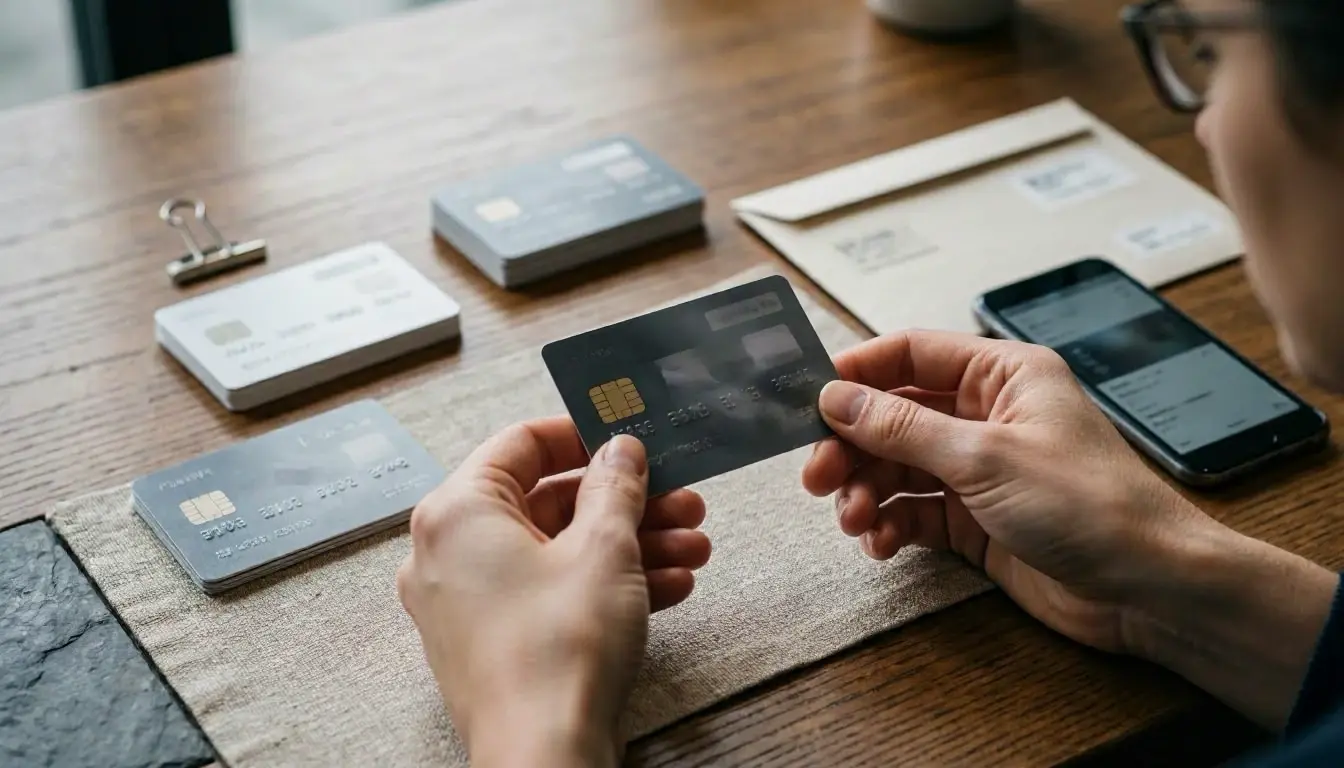
The Issuing Bank plays a key role in payments. It lets consumers make purchases easily and securely. For cardholders, it offers credit, fraud protection. And dispute help. These build trust in electronic payments.
Without Issuing Banks, consumers would lose financial flexibility. Everyday transactions would become harder and riskier. For merchants, the bank’s approval process affects sales. Quick approvals reduce cart abandonment and boost satisfaction.
Delays or declines from insufficient funds or fraud errors hurt sales. Frustrated customers may leave. Chargebacks also impact merchants. Too many can raise fees or even lead to account closure.
When Issuing Bank Matters Most?
Issuing Banks matter most in high-value or international purchases. They also handle recurring billing. For example, booking a flight may trigger a fraud check. The bank verifies large or foreign transactions.
Subscription businesses rely on these banks too. They need recurring charges approved without interruption. This keeps revenue steady. Another key situation is chargeback disputes. Merchants must understand the bank’s role to fight fraud.
Providing proof of delivery or customer chats helps win disputes. High-risk businesses, like e-commerce, face extra scrutiny. Frequent declines or chargebacks can raise costs or restrict accounts. Finally, security breaches highlight the bank’s role.
If a merchant’s system is hacked, the bank may block affected cards. It might issue new ones. This protects customers but disrupts sales. Strong security measures can reduce these issues.