Understanding Acquirer
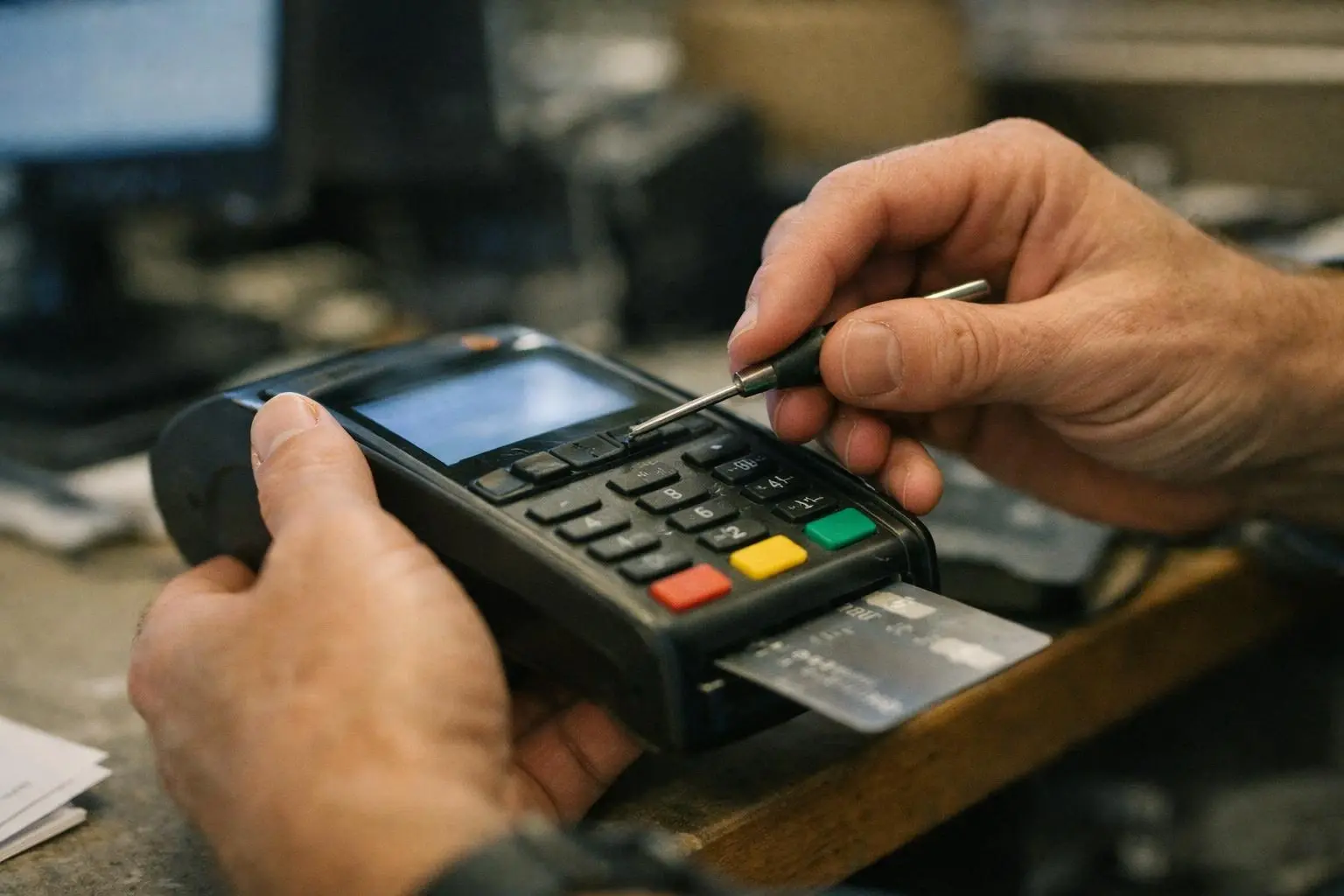
An acquirer, also known as a merchant acquirer or acquiring bank, is a financial institution that contracts with merchants to accept and process credit and debit card payments. Acquirers play a critical role in the payment ecosystem by acting as the intermediary between merchants and card networks such as Visa, Mastercard, American Express. And find. When a customer makes a purchase using a credit or debit card, the acquirer receives the transaction details from the merchant, forwards them to the appropriate card network. And ensures the funds are transferred from the cardholder’s issuing bank to the merchant’s account.
Related glossary terms: Payment Processor, Issuing Bank, Settlement.
Acquirers are responsible for underwriting merchant accounts, which involves assessing the merchant’s risk level, business model. And compliance with industry standards. This process helps determine whether the merchant is eligible to accept card payments and what fees or restrictions may apply. Acquirers also provide the technical infrastructure, such as payment gateways or point-of-sale (POS) systems, that merchants use to capture and transmit transaction data securely. Without an acquirer, merchants would be unable to accept card payments, which are a primary payment method for most consumers today.
How Acquirer Works?
The acquirer’s role begins when a customer initiates a card payment at a merchant’s store or online checkout. The merchant’s POS system or payment gateway sends the transaction details—such as the card number, transaction amount. And merchant identification—to the acquirer. The acquirer then routes this information through the card network to the issuing bank, which either approves or declines the transaction based on factors like available funds, fraud detection. And account status.
Once the issuing bank approves the transaction, the acquirer receives the authorization and communicates it back to the merchant. The merchant can then complete the sale, knowing the funds are guaranteed (subject to later settlement). At the end of the business day, the merchant sends a batch of authorized transactions to the acquirer for settlement. The acquirer processes these transactions, deducts any applicable fees (such as interchange fees, assessment fees. And the acquirer’s markup). And deposits the net amount into the merchant’s bank account. This settlement process typically takes 1-3 business days, depending on the acquirer and card network involved.
Many projects start with Acquirers also handle chargebacks, which occur when a customer disputes a transaction. In such cases, the acquirer facilitates the dispute process by communicating with the merchant, the issuing bank. And the card network. The acquirer may debit the merchant’s account for the disputed amount while the investigation is ongoing, which underscores the importance of merchants maintaining accurate records and adhering to card network rules to avoid unnecessary chargebacks.
Why Acquirer Matters?
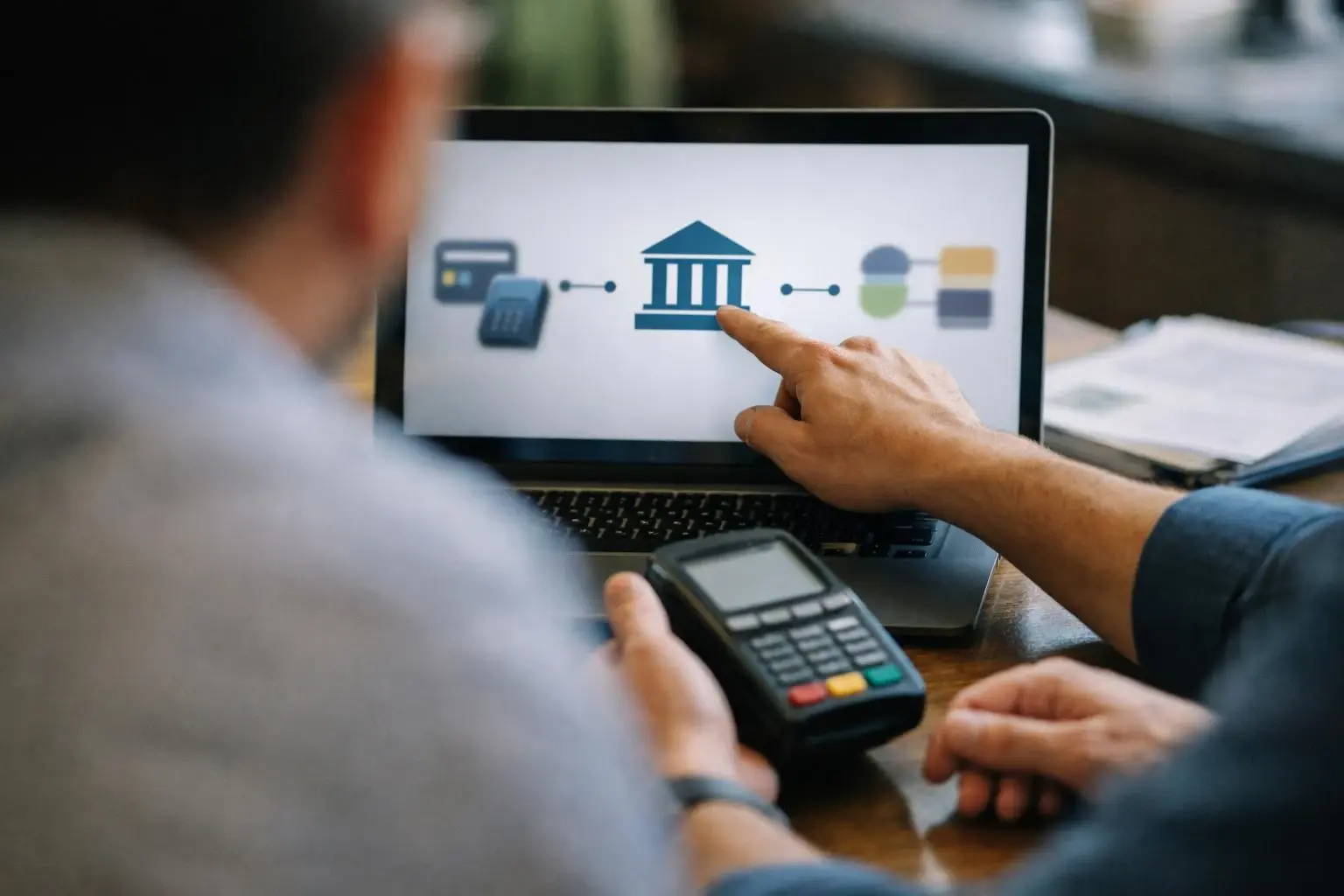
The choice of acquirer has a direct impact on a merchant’s ability to accept payments efficiently and cost-effectively. Acquirers determine the fees merchants pay for processing transactions, including interchange fees set by card networks and the acquirer’s own markup. These fees can vary significantly depending on the merchant’s industry, transaction volume. And risk profile. A well-chosen acquirer can help merchants improve their payment processing costs while providing reliable service and strong customer support.
Acquirers also influence the merchant’s ability to accept various payment methods, such as credit cards, debit cards. And digital wallets. Some acquirers specialize in high-risk industries, such as travel or e-commerce, where fraud and chargeback rates are higher. Others focus on low-risk businesses, offering lower fees and faster settlement times. And acquirers play a key role in ensuring compliance with the Payment Card Industry Data Security Standard (PCI DSS), which is mandatory for all merchants that accept card payments. Failure to comply with PCI DSS can result in fines, higher processing fees. Or the loss of the ability to accept card payments altogether.
When Acquirer Matters Most?
Selecting an acquirer becomes particularly important when a merchant is setting up a new business, expanding into new markets. Or experiencing growth in transaction volume. For example, a startup e-commerce business will need an acquirer that supports online payments and integrates smoothly with its chosen payment gateway. Similarly, a brick-and-mortar retailer expanding into multiple locations may require an acquirer that offers consistent service across all stores and supports omnichannel payment processing.
Acquirers also matter most during periods of high transaction volume, such as holiday shopping seasons, when payment processing systems must handle increased demand without delays or failures. Merchants in industries with high chargeback rates, such as subscription services or travel, need an acquirer with experience managing disputes and minimizing financial losses. And merchants that operate internationally must choose an acquirer that supports multi-currency transactions and complies with local regulations in each market. Finally, merchants that prioritize customer experience may seek an acquirer that offers fast settlement times, strong fraud prevention tools. And smooth integration with their existing systems.