Understanding Payment Processor
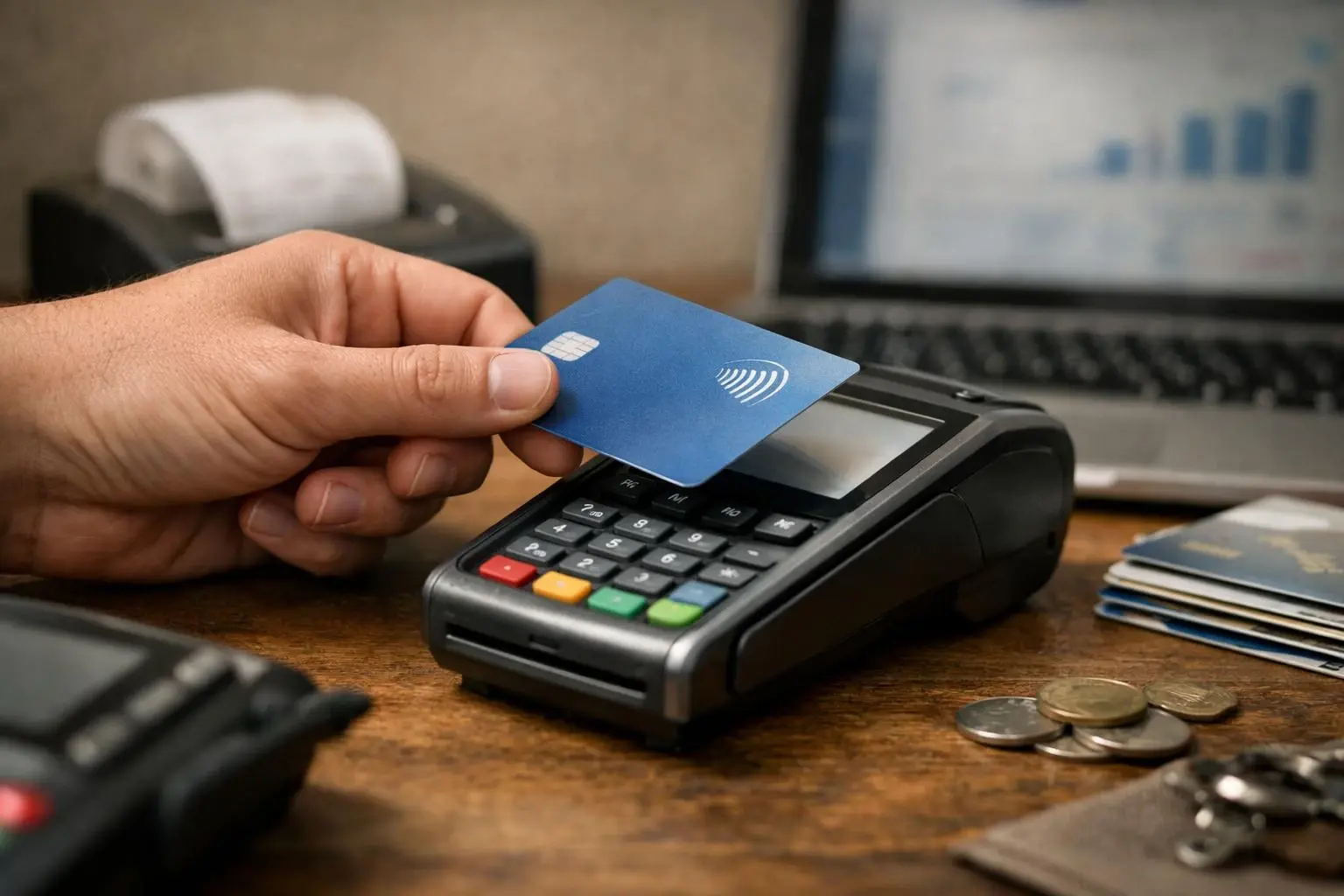
A Payment Processor is a critical component of the electronic payments ecosystem, facilitating the secure and efficient transfer of funds between customers and merchants. When a customer swipes, dips. Or taps a credit or debit card, the Payment Processor transmits the transaction details to the appropriate card network—such as Visa, Mastercard. Or American Express—and the customer’s issuing bank. The issuing bank then approves or declines the transaction based on available funds or fraud detection measures. Once approved, the Payment Processor ensures the funds are captured and settled into the merchant’s account, typically within one to three business days.
Related glossary terms: Acquirer, PCI Compliance, Interchange Fee.
Payment Processors operate behind the scenes, enabling businesses of all sizes to accept card payments without needing direct relationships with banks or card networks. They provide the infrastructure, software. And compliance frameworks necessary to handle sensitive payment data securely. This includes encryption, tokenization. And adherence to Payment Card Industry Data Security Standard (PCI DSS) requirements, which protect against data breaches and fraud. Without Payment Processors, merchants would face significant technical and regulatory barriers to accepting electronic payments, limiting their ability to serve customers who prefer card-based transactions.
How Payment Processor Works?
The Payment Processor workflow involves multiple stages, each designed to ensure accuracy, security. And efficiency. The process begins when a customer initiates a payment, such as swiping a card at a point-of-sale terminal or entering card details online. The merchant’s system sends the transaction data to the Payment Processor, which routes it through the card network to the issuing bank. The issuing bank checks the customer’s account for sufficient funds, potential fraud. And other risk factors before sending an approval or decline response back through the same channels.
Once authorized, the Payment Processor captures the funds, holding them in a pending state until settlement. Settlement occurs when the Payment Processor batches multiple transactions and sends them to the acquiring bank, which deposits the funds into the merchant’s account. This process typically happens once per business day. Though timing can vary based on the Payment Processor, card network. And merchant agreement. Throughout this workflow, Payment Processors also handle dispute resolution, chargebacks. And refunds, acting as a liaison between merchants and banks to resolve issues efficiently.
Payment Processors may offer additional services, such as fraud detection tools, recurring billing support. And integration with e-commerce platforms or point-of-sale systems. These features help merchants simplify operations, reduce manual work. And improve customer satisfaction. The speed and reliability of a Payment Processor directly impact a merchant’s cash flow, making it essential to choose a provider with a strong track record of uptime, security. And customer support.
Why Payment Processor Matters?
Payment Processors play a vital role in the modern economy by enabling businesses to accept electronic payments, which are increasingly preferred by consumers over cash or checks. For merchants, the ability to process credit and debit cards expands their customer base, as many shoppers rely exclusively on cards for everyday purchases. Payment Processors also reduce the risk of fraud and chargebacks by implementing advanced security measures, such as encryption and tokenization, which protect sensitive cardholder data. This not only safeguards the merchant’s revenue but also builds trust with customers, who expect secure and smooth payment experiences.
A common issue is Beyond security, Payment Processors influence a merchant’s bottom line through their fee structures. Transaction fees, interchange fees. And monthly service charges can vary significantly between providers, impacting profitability, especially for small businesses or high-volume merchants. And Payment Processors that offer fast settlement times can improve cash flow, allowing merchants to reinvest funds more quickly. The right Payment Processor can also provide valuable insights into sales trends, customer behavior. And operational efficiency, helping businesses make data-driven decisions to grow and improve their operations.
When Payment Processor Matters Most?
Choosing a Payment Processor becomes particularly important during key business milestones, such as launching an e-commerce store, expanding into new markets. Or experiencing rapid growth. For online businesses, the Payment Processor must integrate smoothly with the website or shopping cart, support multiple payment methods. And handle international transactions if needed. Brick-and-mortar retailers, on the other hand, require Payment Processors that support in-person transactions, including EMV chip cards, contactless payments. And mobile wallets like Apple Pay or Google Pay. High-risk industries, such as travel, subscription services. Or CBD sales, may face stricter underwriting requirements and higher fees, making it essential to select a Payment Processor experienced in their specific sector.
Payment Processors also matter during periods of increased transaction volume, such as holiday seasons or promotional events. A reliable Payment Processor ensures that transactions are processed quickly and without interruption, preventing lost sales and frustrated customers. And merchants facing chargebacks or fraud disputes rely on their Payment Processor to provide timely support and documentation to resolve issues. Finally, businesses subject to PCI DSS compliance must work with a Payment Processor that offers strong security tools and guidance to avoid penalties or data breaches. In all these scenarios, the choice of Payment Processor can mean the difference between smooth operations and costly disruptions.