Glossary

What is ISO?

ISO is an independent sales organization that partners with acquiring banks to market and sell credit card processing services to merchants. ISOs act as intermediaries, facilitating merchant account setup, providing equipment. And offering customer support. But don't directly process transactions or assume financial risk.

Sources reviewed: Visa Rules for ISOs and Merchant Agents, Mastercard Rules for Independent Sales Organizations

Quick Facts About ISO

Category

Payment industry intermediary

Used for

Merchant account sales and support

Common confusion

Often mistaken for payment processors or acquiring banks

Also called

Independent Sales Organization, Merchant Services ISO

Often discussed with

Merchant Account Services, Payment Gateway Services

Key Takeaways About ISO

Understanding ISO

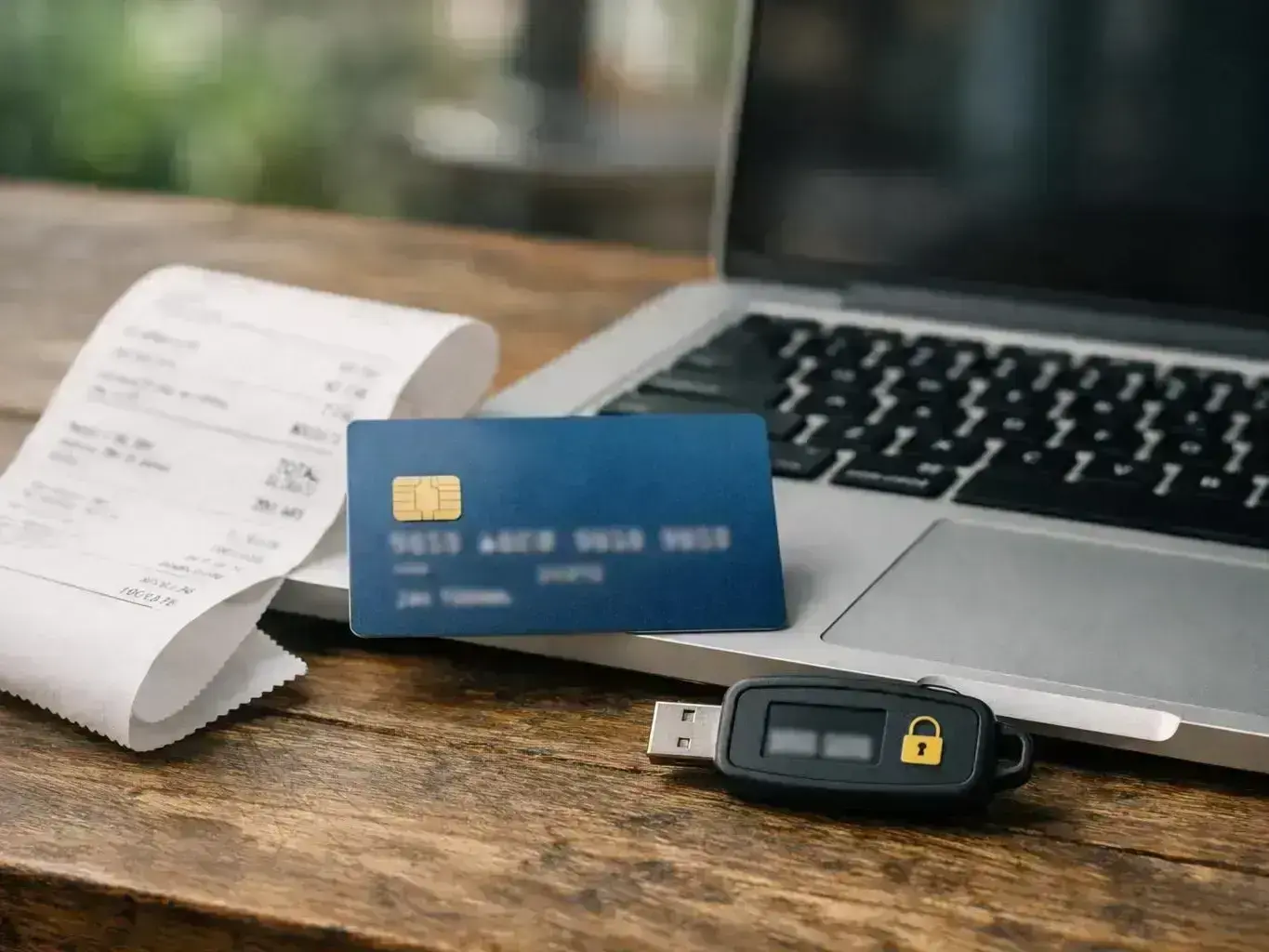
ISO in Credit Card Processing: ISO is an independent sales organization that partners with acquiring banks to—visual guide

An ISO. Or Independent Sales Organization, works in credit card processing. It's a third-party group authorized to sell merchant services for acquiring banks.

Related glossary terms: Acquirer, Payment Processor, Interchange Fee.

ISOs don't handle fund movement or take financial risks for transactions. They focus on sales, merchant onboarding. And ongoing support. This connects businesses to financial institutions that underwrite accounts.

ISOs play a key role in payment processing, especially for small and mid-sized businesses. They create their own branding, pricing. And services. These can include POS systems and fraud prevention tools.

ISOs must follow card network rules and banking laws. They operate independently, though. This lets them tailor solutions to specific industries or business models.

How ISO Works?

The ISO model depends on partnerships with acquiring banks. These banks are authorized by Visa or Mastercard to underwrite merchant accounts.

When an ISO signs a merchant, it sends the application to its partner bank. The bank approves it and takes the financial risk. The ISO usually handles customer service, equipment. And billing.

ISOs earn money in several ways. Residuals are the most common. This is a percentage of transaction fees paid to the ISO while the merchant stays active.

Some ISOs charge upfront fees for equipment or setup. Others mark up interchange fees to create profit. The revenue structure varies by ISO, bank agreement. And processing volume.

ISOs may offer extra services like payment gateway integration or recurring billing. These help ISOs stand out and give merchants more tools.

Their core job stays the same, though. They facilitate merchant accounts so businesses can accept credit and debit cards.

Why ISO Matters?

How ISO applies to Credit Card Processing services in Arlington, United States—practical illustration

ISOs give merchants flexibility and personalized service. Larger banks or direct processors often don't offer this.

Many ISOs specialize in industries like retail or e-commerce. They create custom solutions for unique challenges. These include chargeback management or industry-specific rules.

This specialization can mean better pricing and support. Merchants may also get niche tools that improve efficiency.

For the payment industry, ISOs extend the reach of acquiring banks. Banks gain from the ISO's sales skills and local knowledge.

ISOs access the bank's underwriting and card network ties. This relationship drives competition and innovation. It benefits merchants and consumers alike.

When ISO Matters Most?

ISOs help businesses that don't fit traditional bank criteria. Startups and high-risk merchants often struggle to get accounts.

Businesses with fluctuating sales may also face denial. ISOs use industry expertise and bank relationships to navigate these challenges. They often secure approval for merchants that would otherwise be denied.

ISOs are key when merchants need extra support or services. A business moving online may need a payment gateway and fraud tools.

An ISO can bundle these into one solution. Merchants unhappy with their processor may turn to an ISO for better pricing or service.

The ISO's single point of contact simplifies transitions and ongoing management. This makes payment processing easier for businesses.


How to Evaluate ISO?

Related Concepts Compared

ISO vs. Payment Processor

Payment processors handle the technical and financial aspects of transaction authorization and settlement. While ISOs focus on sales, merchant support. And account setup.

ISO vs. Acquirer

An acquirer is a bank that underwrites merchant accounts and assumes financial risk, whereas an ISO markets and supports those accounts on the acquirer’s behalf.

ISO vs. Merchant Services Provider (MSP)

MSP is a broader term that can include ISOs, payment processors. And other entities offering merchant services; ISO specifically refers to independent sales organizations.

Expert Note

While ISOs can offer competitive pricing and personalized service, merchants should scrutinize their contracts carefully. Some ISOs use long-term agreements with early termination fees, which can lock businesses into unfavorable terms. Always negotiate for flexibility and transparency in pricing.

Common Mistakes or Myths About ISO

  • Assuming ISOs are the same as payment processors—they don’t handle transactions directly.
  • Ignoring the ISO’s acquiring bank partner, which ultimately underwrites the merchant account.
  • Overlooking hidden fees in ISO contracts, such as monthly minimums or early termination penalties.
  • Believing all ISOs offer the same level of service—quality varies widely based on expertise and support.

ISO in Practice: A Real-World Example

A small Arlington-based boutique struggling to secure a merchant account through a national bank turns to a local ISO specializing in retail businesses. The ISO evaluates the boutique’s sales volume, chargeback history. And processing needs, then submits the application to its partner acquirer. Within days, the boutique is approved and receives a point-of-sale system, fraud prevention tools. And ongoing support—all under the ISO’s branding.

Sources & Further Reading on ISO

Related Services

Related Terms

Acquirer

Acquirer is a financial institution or bank that processes credit or debit card payments on behalf of a merchant. Acquirers enable businesses to accept card payments by establishing merchant accounts, transmitting transaction data to card networks. And depositing approved funds into the merchant’s bank account. They also handle settlement, chargebacks. And compliance with payment network rules.

Payment Processor

Payment Processor is a financial technology company or service that handles credit card and debit card transactions on behalf of merchants. Payment Processors authorize, capture. And settle funds by transmitting transaction data between the merchant, card networks, issuing banks. And acquiring banks, ensuring secure and timely payment completion.

Interchange Fee

Interchange Fee is a non-negotiable charge set by credit card networks (Visa, Mastercard, Discover, American Express) that merchants pay to the card-issuing bank for each credit or debit card transaction. Interchange Fee covers the cost of processing, fraud protection. And network services. And varies based on card type, transaction method. And merchant category.

PCI Compliance

PCI Compliance is a set of security standards established by the Payment Card Industry Security Standards Council (PCI SSC) to protect cardholder data during credit and debit card transactions. PCI Compliance ensures merchants and service providers implement safeguards like encryption, access controls. And network monitoring to reduce fraud and data breaches, applying to any business that stores, processes.

CreditCardProcessingArlington.com

Have Questions About ISO?

Contact CreditCardProcessingArlington.com for practical guidance on ISO and related credit card processing work in Arlington.

Contact Us