Understanding Virtual Terminal
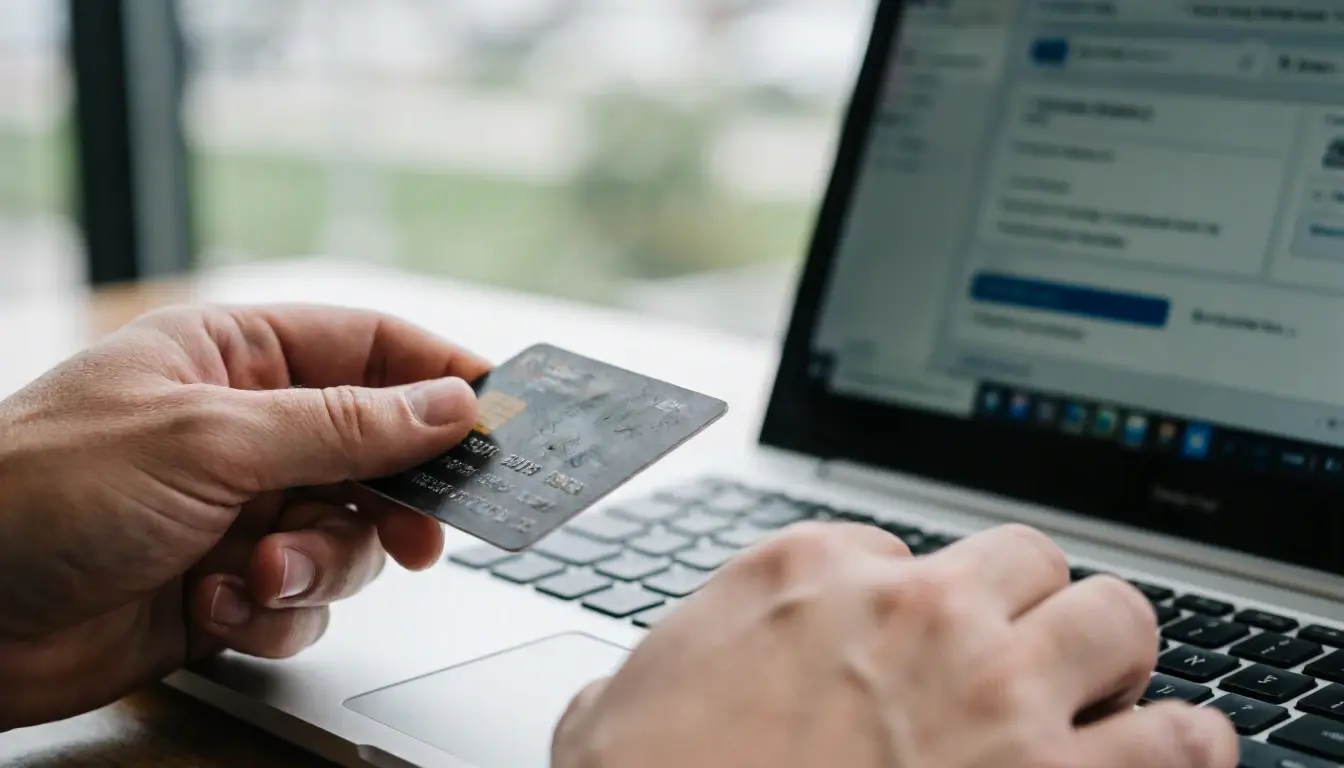
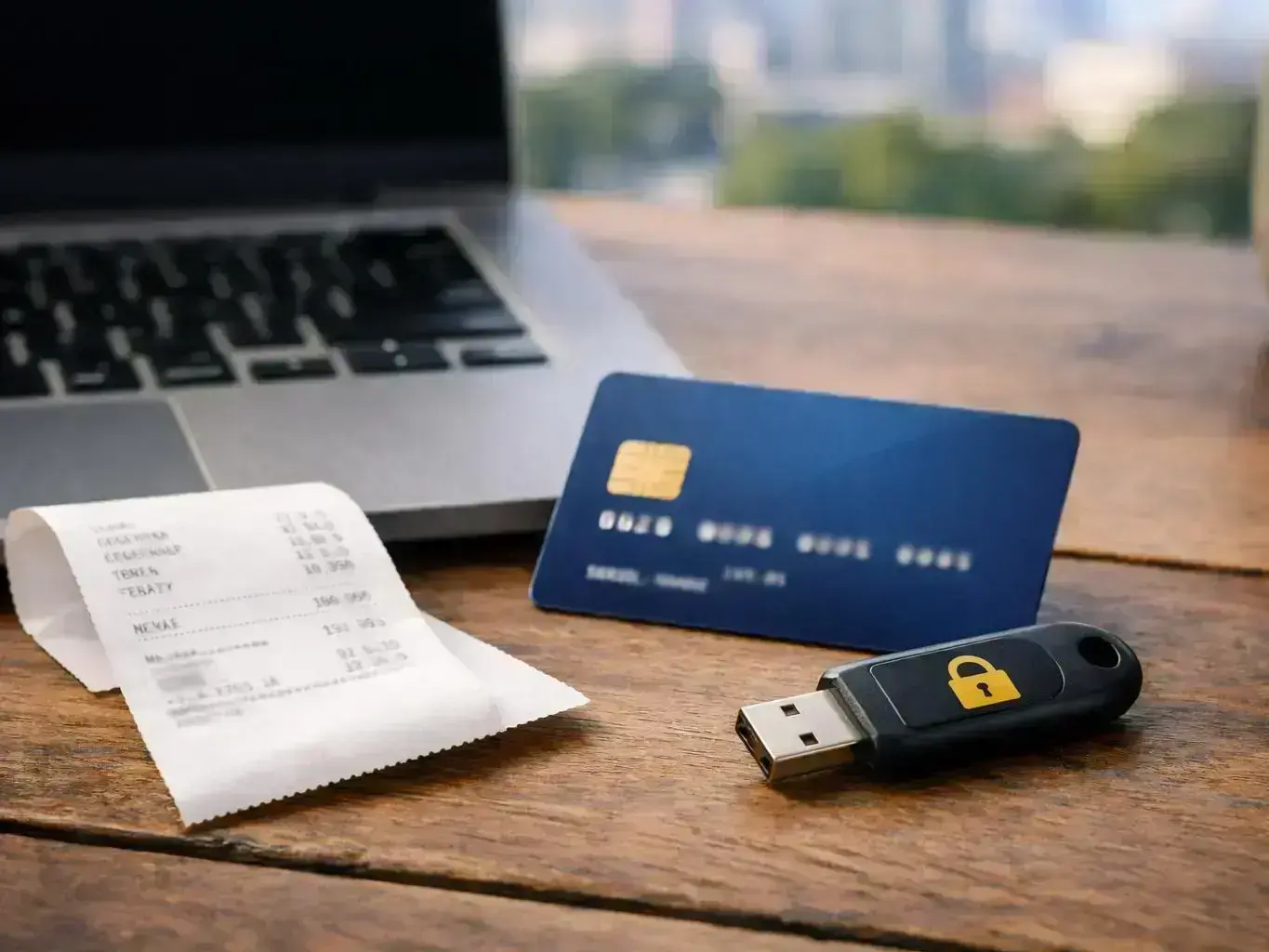
A Virtual Terminal is a secure, browser-based interface that enables merchants to process credit card payments manually. Unlike traditional point-of-sale (POS) systems, which require physical card readers, Virtual Terminals allow businesses to enter payment details directly into a web form. This capability is particularly useful for transactions where the cardholder is not physically present, such as phone orders, mail orders. Or fax orders.
Virtual Terminals are hosted by payment processors or merchant service providers and are typically accessed through a login portal. They provide a straightforward way to accept payments without the need for specialized hardware, making them a cost-effective solution for small businesses, service providers. And remote sellers. Because they handle sensitive cardholder data, Virtual Terminals must adhere to Payment Card Industry Data Security Standard (PCI DSS) requirements to ensure security and fraud prevention.
How Virtual Terminal Works?
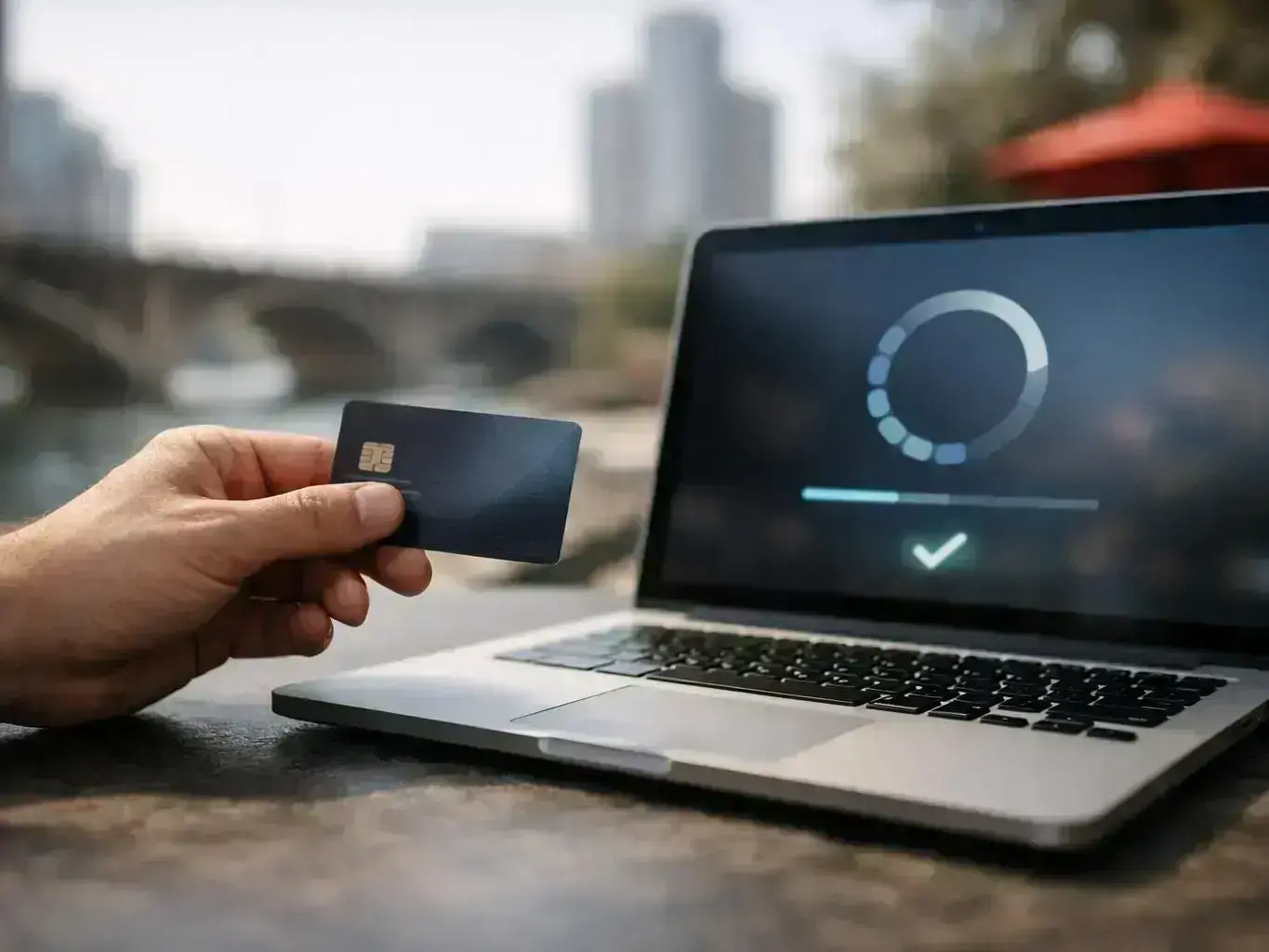
When a merchant receives a payment request—such as a customer calling to place an order—they log into their Virtual Terminal through a secure browser. The merchant manually enters the customer’s credit card number, expiration date, CVV code, billing address. And transaction amount into the form. Once submitted, the Virtual Terminal sends the payment details to the payment processor, which routes the transaction through the card networks (Visa, Mastercard, etc.) for authorization.
If the transaction is approved, the Virtual Terminal displays a confirmation. And the funds are typically settled into the merchant’s account within one to two business days. Unlike payment gateways, which automate transactions for online stores, Virtual Terminals require manual input for each payment. This makes them ideal for businesses that process a lower volume of transactions or those that handle orders over the phone, via email. Or through invoicing.
Security is a critical component of Virtual Terminal operation. Most providers put in place tokenization, encryption. And fraud detection tools to protect cardholder data. And merchants using Virtual Terminals must complete a PCI Self-Assessment Questionnaire (SAQ) annually to maintain compliance with industry security standards.
Why Virtual Terminal Matters?

Virtual Terminals offer flexibility and accessibility for businesses that can't or don't want to use physical card readers. For merchants who operate remotely, take orders over the phone. Or handle recurring billing, Virtual Terminals eliminate the need for in-person transactions while still allowing them to accept credit card payments. This capability expands payment options for customers who prefer not to pay online or in person, which increasing sales opportunities.
From a cost perspective, Virtual Terminals reduce the need for expensive POS hardware, making them an attractive option for startups, home-based businesses. And service providers. They also integrate easily with other business tools, such as accounting software or customer relationship management (CRM) systems, streamlining record-keeping and reconciliation. But because Virtual Terminals involve manual data entry, they carry a slightly higher risk of human error or fraud compared to automated systems, emphasizing the importance of proper training and security measures.
When Virtual Terminal Matters Most?
Virtual Terminals are most valuable in scenarios where physical card readers are impractical or unnecessary. Businesses that frequently process phone orders, such as restaurants with delivery services, professional service providers. Or catalog retailers, rely on Virtual Terminals to securely and efficiently accept payments. They're also commonly used by nonprofits for donation processing, medical offices for patient payments. And subscription-based businesses for recurring billing.
Another critical use case is for businesses that operate in multiple locations or at events, such as trade shows or pop-up shops. Instead of investing in portable card readers for each location, merchants can use a Virtual Terminal on a laptop or tablet to process payments anywhere with an internet connection. And Virtual Terminals are often used as a backup solution when a primary POS system fails, ensuring that businesses can continue accepting payments without disruption.
For merchants in Arlington, TX, where small businesses and service providers are prevalent, Virtual Terminals offer a practical way to accept credit card payments without the overhead of traditional POS systems. They are particularly useful for businesses that handle a mix of in-person and remote transactions, providing a smooth bridge between online and offline payment processing.